
How Toddlers Learn Through Everyday Activities
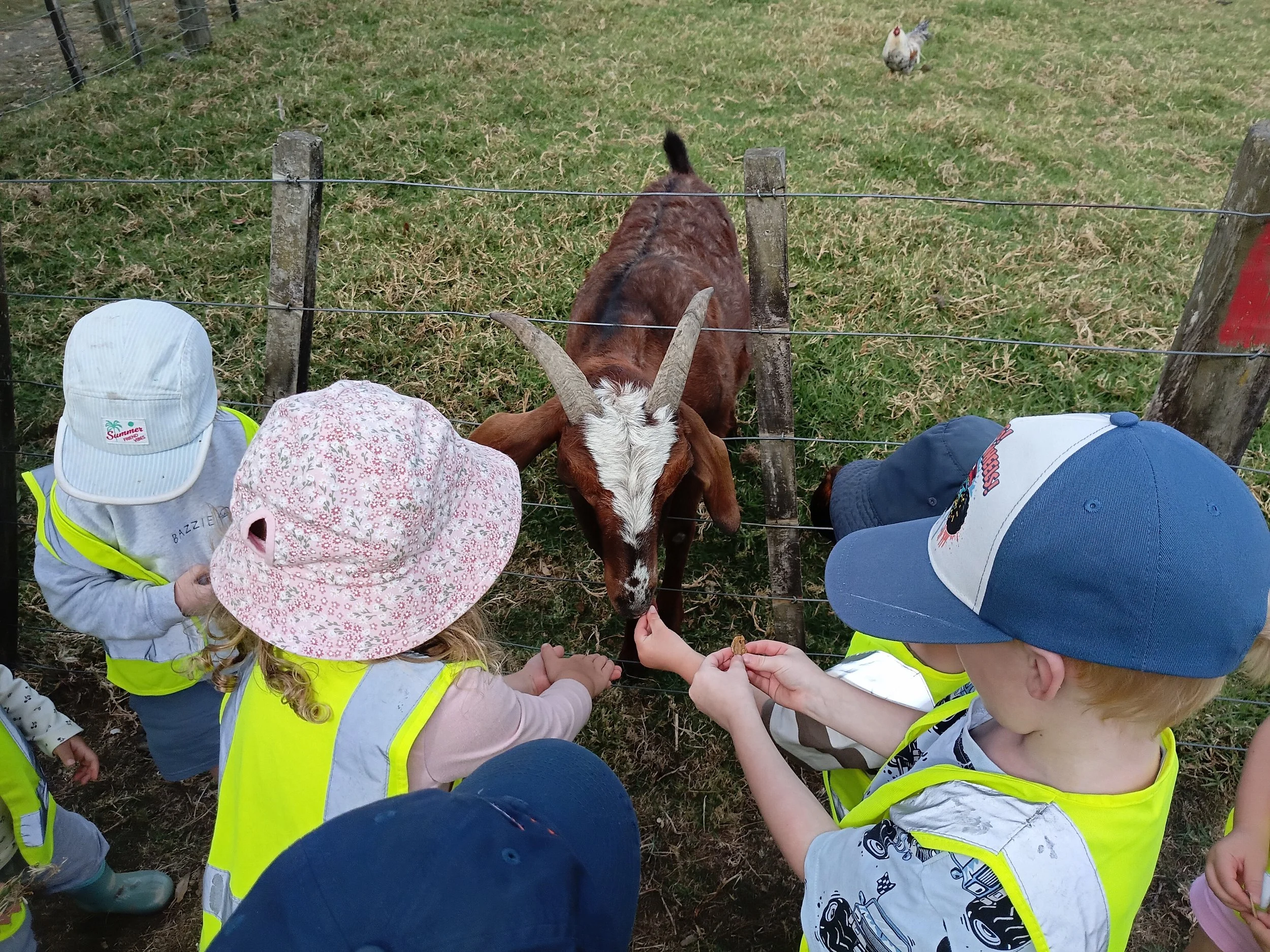
Toddlers are constantly learning, even when it does not look like it. Pouring water into a cup, stacking blocks, or carrying a small basket across the room are not just simple actions. For a toddler between 18 months and 3 years old, these moments are building blocks for coordination, concentration, language, and independence.
Many parents searching for a Montessori toddler programme in Auckland want to understand what actually happens during the day, and how ordinary activities connect to real developmental progress. This article looks at how everyday tasks support toddler development, what a guided Montessori environment offers compared to other early childhood settings, and how parents can support this learning at home.
Why Everyday Activities Matter for Toddler Development
At this age, children are not learning through worksheets or formal lessons. They learn through repetition, movement, and hands-on experience. A toddler who pours rice from one jug to another is practising hand-eye coordination, concentration, and fine motor control all at once. A toddler who puts their own shoes on is developing sequencing skills and a sense of independence.
Toddler development happens across several areas at the same time, including:
Fine and gross motor skills, through activities like stacking, pouring, and climbing
Language development, through naming objects, following instructions, and conversation
Cognitive growth, through problem solving, cause and effect, and memory
Social and emotional skills, through turn-taking, sharing space, and managing small frustrations
These areas do not develop in isolation. A single activity, such as setting the table with child-sized plates, can support motor skills, language, sequencing, and independence together. This is one reason why everyday, practical activities are so valuable for toddlers, rather than passive entertainment or screen-based learning.
What a Montessori Toddler Environment Looks Like
A genuine Montessori toddler environment is a structured, prepared space, not an open room for free play. Materials are arranged on low, accessible shelves so children can choose an activity independently. Each item has a clear purpose and a specific place, which helps toddlers build order, focus, and a sense of responsibility for their environment.
Teachers, often called guides, observe each child closely and introduce activities suited to their current stage of development. A toddler might be shown how to use a cloth to wipe up spilled water, how to thread large beads, or how to pour from a small jug into a bowl. The guide demonstrates the activity slowly and then allows the child to practise it, repeating as many times as they like.
This is an important distinction. Montessori is not simply free play where toddlers are left to do whatever they choose without direction. It is a guided environment where children have real choices within a carefully prepared setting, and teachers actively support and extend each child's learning. The freedom lies in choosing which prepared activity to engage with, not in an absence of structure.
Practical Life Activities
Practical life activities are a core part of the Montessori toddler day. These include pouring, spooning, buttoning, washing hands, and preparing simple snacks. They may look basic, but they build concentration, order, coordination, and independence, all of which support later academic learning.
Sensorial Exploration
Toddlers also engage with sensorial materials designed to refine their senses, such as matching textures, sorting by size, or exploring different weights. This supports early cognitive skills like classification and comparison, which are foundations for later mathematical thinking.
Language-Rich Interaction
Guides use precise, descriptive language throughout the day, naming objects and actions clearly. This exposure to rich vocabulary in context supports early language development far more effectively than passive listening.
Montessori Compared to Other Early Childhood Options in Auckland
Parents researching early childhood options in Auckland are usually weighing up three main types of settings: daycare, Montessori, and kindergarten. Each has a different approach to structure and learning, and understanding these differences can help parents choose what suits their child and family.
| Feature | Daycare | Montessori | Kindergarten |
|---|---|---|---|
| Typical structure | Mostly play-based, flexible daily routine | Structured, prepared environment with guided choice | Loosely structured, group-based activities |
| Learning approach | General care with some group activities | Hands-on, self-directed learning within set materials | Play and social interaction focused |
| Age range | Varies, often from a few months | From 18 months at Ōrākei Montessori Preschool | Usually from 2 to 5 years |
| Focus | Supervision, socialisation, basic routines | Independence, concentration, practical life skills | Socialisation and group participation |
| Teacher role | Supervisory and supportive | Active guide who introduces and observes activities | Facilitator of group play and activities |
This comparison is general, and individual centres vary. Some daycare providers incorporate more structured elements, and some kindergartens offer a calmer, more focused setting. The table is meant as a starting point for parents comparing options, not a rule that applies to every centre. For a closer look at how these approaches differ in practice, see our post on Montessori vs traditional childcare in NZ.
How Montessori Activities Support Specific Developmental Milestones
It can help to look at how specific everyday Montessori activities connect to recognised toddler development milestones.
Pouring and transferring. Practising with jugs and containers strengthens the small muscles in the hands and wrists, which are needed later for holding a pencil and writing.
Carrying and walking with purpose. Activities like carrying a tray or a small chair across the room build balance, coordination, and body awareness, known as gross motor and proprioceptive development.
Matching and sorting. Sorting objects by colour, size, or shape supports early logical thinking and lays groundwork for later mathematical concepts.
Dressing frames and buttoning. These activities build fine motor control and patience, while also teaching toddlers to manage their own clothing, which supports independence.
Group snack time. Sitting together, waiting a turn, and using polite words during snack time supports social and emotional development, including patience and communication.
None of these activities are complicated or expensive to recreate. Many can be adapted at home, which is part of why Montessori principles appeal to parents who want consistency between their child's preschool and home environment.
Supporting Toddler Development at Home
Parents often ask how they can extend Montessori-style learning outside of preschool hours. A few practical ideas include:
Offering real, child-sized tools such as a small broom, jug, or watering can, rather than only toy versions
Allowing extra time for toddlers to do things themselves, such as putting on shoes or pouring their own water, even if it takes longer
Setting up a low shelf at home with a few rotating activities, rather than leaving all toys out at once
Using clear, simple language and naming objects and actions during daily routines
Involving toddlers in real household tasks, like wiping a table or putting washing in a basket
These small changes do not require special equipment. They simply give toddlers the chance to practise skills in a calm, unhurried way, which mirrors what happens in a well-run Montessori toddler environment. If you are also comparing daycare options alongside Montessori, our article on the best daycare for toddlers in Auckland may help.
Choosing a Montessori Toddler Programme in Auckland
When comparing Montessori toddler programmes in Auckland, it is worth looking beyond the label. Genuine Montessori settings should have trained guides, a full range of age-appropriate materials, and a calm, orderly environment where children can concentrate without excessive noise or interruption.
Parents can ask centres about staff training, group sizes, how activities are chosen for each child, and how the day is structured around independent work time. A short visit to observe a typical morning often tells parents more than a website or brochure. If you are still weighing up your options, our guide on how to choose the right childcare centre covers the key questions to ask before enrolling.
Final Thoughts
Toddlers do not need constant entertainment to learn. They need time, real materials, and a calm, structured environment where they can practise skills at their own pace. Everyday activities such as pouring, sorting, dressing, and helping with small tasks build the coordination, language, concentration, and independence that support a child's development well beyond the toddler years.
At Ōrākei Montessori Preschool, toddlers from 18 months are welcomed into a guided environment where practical life activities, sensorial materials, and language-rich interaction support their development every day. If you would like to see this approach in action or have questions about enrolment, contact us to arrange a visit or discuss your child's needs.
Frequently Asked Questions
At what age can toddlers start Montessori in Auckland?
Many Montessori toddler programmes, including Ōrākei Montessori Preschool, accept children from 18 months. This is earlier than many people expect, as some assume Montessori only starts closer to age three.
Is Montessori just free play for toddlers?
No. Montessori is a structured, guided environment. Children choose activities from a prepared range of materials, but teachers actively demonstrate, observe, and guide their learning throughout the day.
How is Montessori different from daycare?
Daycare is generally more play-based and flexible, focusing on supervision and general care. Montessori offers a more structured, prepared environment with specific materials designed to support independence and skill development.
How is Montessori different from kindergarten?
Kindergarten in New Zealand tends to be loosely structured and centred around group play and social interaction. Montessori provides more structure through a prepared environment and guided, individual activities, while still allowing children to choose what they work on.
What kind of activities will my toddler do in a Montessori setting?
Toddlers typically engage in practical life activities such as pouring, spooning, and dressing, along with sensorial exploration and language-rich interactions with their guide, all suited to their developmental stage.
Can I support Montessori learning at home?
Yes. Offering real, child-sized tools, allowing extra time for independence, and using clear language during daily routines can all support the same skills toddlers practise in a Montessori setting.