
What Is the Best Daycare for Toddlers in Auckland?
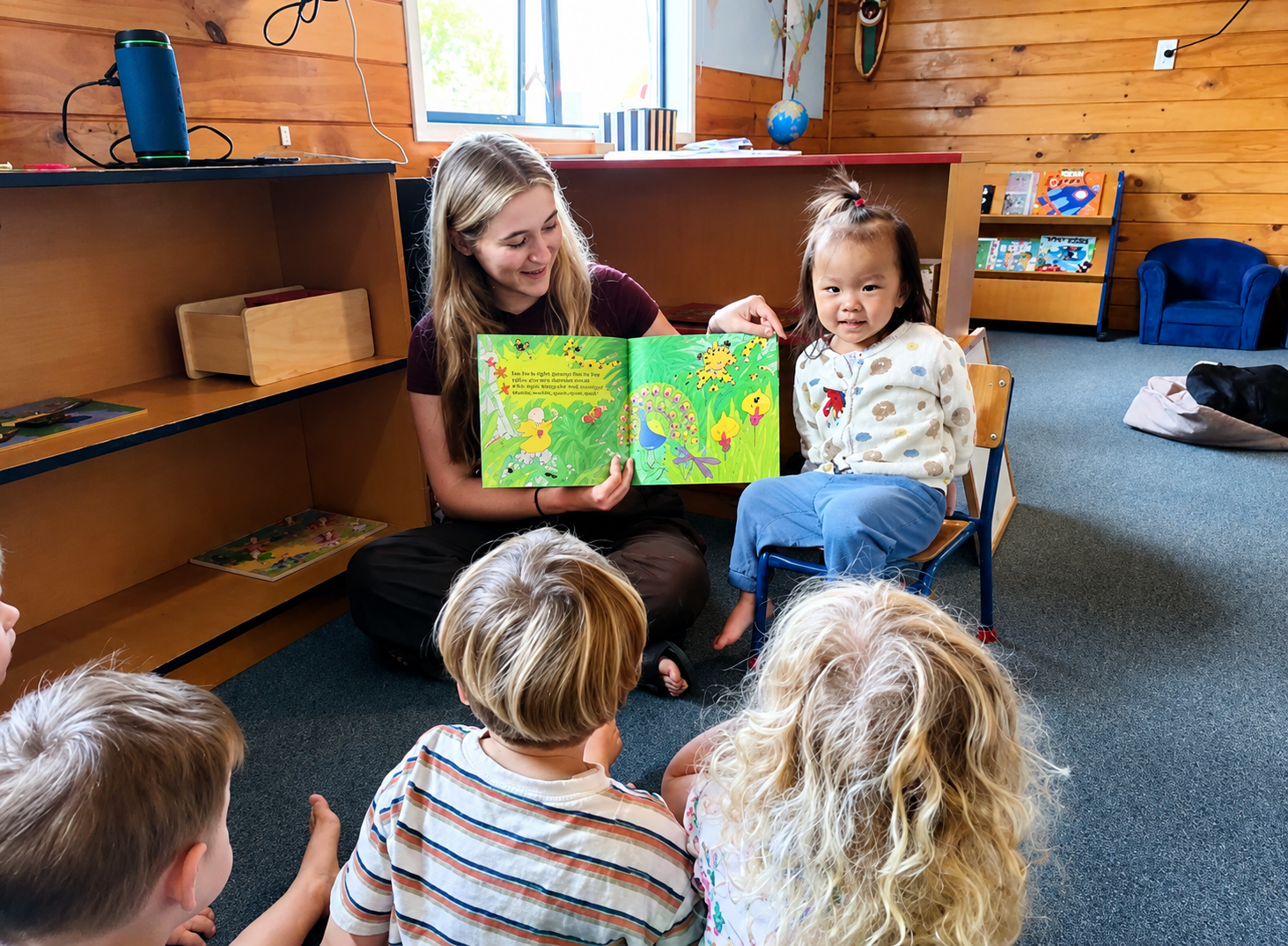
Choosing the right toddler daycare in Auckland is an important step for both parents and children. Between 18 months and 3 years old, toddlers develop quickly, learning new words, building confidence, and becoming more independent every day.
A quality daycare provides a safe and supportive environment where children can learn through play, build relationships, and develop independence. With so many options available, it can be difficult to know which centre is the best fit for your family.
This guide outlines some of the key things to consider when choosing a toddler daycare in Auckland.
Why the Right Daycare Matters
The toddler years are a time of rapid growth and learning. During this stage, children develop important social, emotional, and physical skills that help lay the foundation for future learning.
A quality daycare can help children:
Develop communication and social skills
Build confidence and independence
Improve coordination and motor skills
Learn routines and self-help skills
Explore and learn through play
Finding the right environment can make a positive difference to your child’s early experiences and development.
What to Look for in a Toddler Daycare
Caring and Qualified Teachers
Educators play an important role in your toddler’s daily experience. Look for teachers who are warm, patient, and genuinely engaged with the children in their care.
When visiting a centre, consider asking:
Are teachers qualified in early childhood education?
How do educators support children during transitions?
How do teachers communicate with families?
Strong relationships with consistent caregivers help children feel secure and supported.
Safe and Engaging Spaces
Toddlers need environments that encourage exploration while keeping them safe.
Look for:
Clean classrooms and play areas
Secure entry and exit systems
Age-appropriate toys and learning materials
Outdoor play spaces
Quiet areas for rest and sleep
A calm, organised environment often reflects the quality of care provided throughout the centre.
Play-Based Learning
Young children learn best through hands-on experiences and play.
High-quality toddler programmes often include:
Story time
Music and movement
Sensory activities
Creative art experiences
Outdoor exploration
These activities support language development, creativity, problem-solving, and social skills in a natural and enjoyable way.
Small Group Sizes
Smaller group sizes allow teachers to provide more individual attention and support.
While childcare centres in New Zealand follow regulated teacher-to-child ratios, it is still helpful to ask about group sizes and staffing consistency. Stable teaching teams can make it easier for toddlers to build trusting relationships with their caregivers.
Daily Routines and Emotional Support
Predictable routines help toddlers feel safe and confident.
A typical day may include:
Free play
Group activities
Outdoor time
Meals and snacks
Rest time
Story sessions
It is also worth asking how educators support children with separation anxiety, emotional regulation, and social interactions with other children.
Sleep, Meals, and Everyday Care
Sleep and nutrition play an important role in a toddler’s wellbeing.
When visiting a centre, ask about:
Nap routines and supervision
Sleeping arrangements
Meal options
Dietary requirements and allergies
A good daycare will work closely with families to support each child’s individual needs.
Communication with Parents
Strong communication helps parents feel informed and connected to their child's experiences.
Many centres provide:
Daily updates
Photos or learning stories
Regular progress discussions
Easy communication with teachers
Open communication helps build trust and supports a positive partnership between families and educators.
Questions to Ask During a Daycare Tour
Visiting a daycare in person can help you decide whether it feels right for your child.
Some useful questions to ask include:
What does a typical day look like?
How do you support toddlers aged 18 months to 3 years?
How do you help children settle into daycare?
What is your approach to behaviour guidance?
Are meals and nappies included?
What are your fees and attendance requirements?
Observing how teachers interact with children can often tell you as much as the answers to these questions.
Montessori Daycare for Toddlers
Many Auckland families choose Montessori childcare because of its focus on independence, hands-on learning, and respect for each child's individual pace of development.
Montessori environments often include:
Child-sized furniture
Practical life activities
Hands-on learning materials
Opportunities for independent exploration
This approach encourages confidence, concentration, and a love of learning from an early age.
Helping Your Toddler Adjust to Daycare
Starting daycare is a major transition, but there are several ways parents can help make the process easier.
You can support your child by:
Talking positively about daycare
Visiting the centre before their first day
Creating consistent morning routines
Bringing a familiar comfort item if allowed
Keeping goodbyes calm and reassuring
Most children need a little time to adjust, but supportive teachers and consistent routines can make the transition smoother.
Final Thoughts
The best toddler daycare is one where your child feels safe, supported, and encouraged to learn and grow.
Taking the time to visit centres, ask questions, and observe the environment can help you make a confident decision for your family.
If you are considering Montessori childcare for your toddler, Orakei Montessori Preschool offers a calm and nurturing environment for children from 18 months onwards. Our programme encourages independence, curiosity, and a love of learning through meaningful, hands-on experiences. Contact us to learn more or arrange a visit.