
How to Choose the Best Childcare in Auckland for Your Child
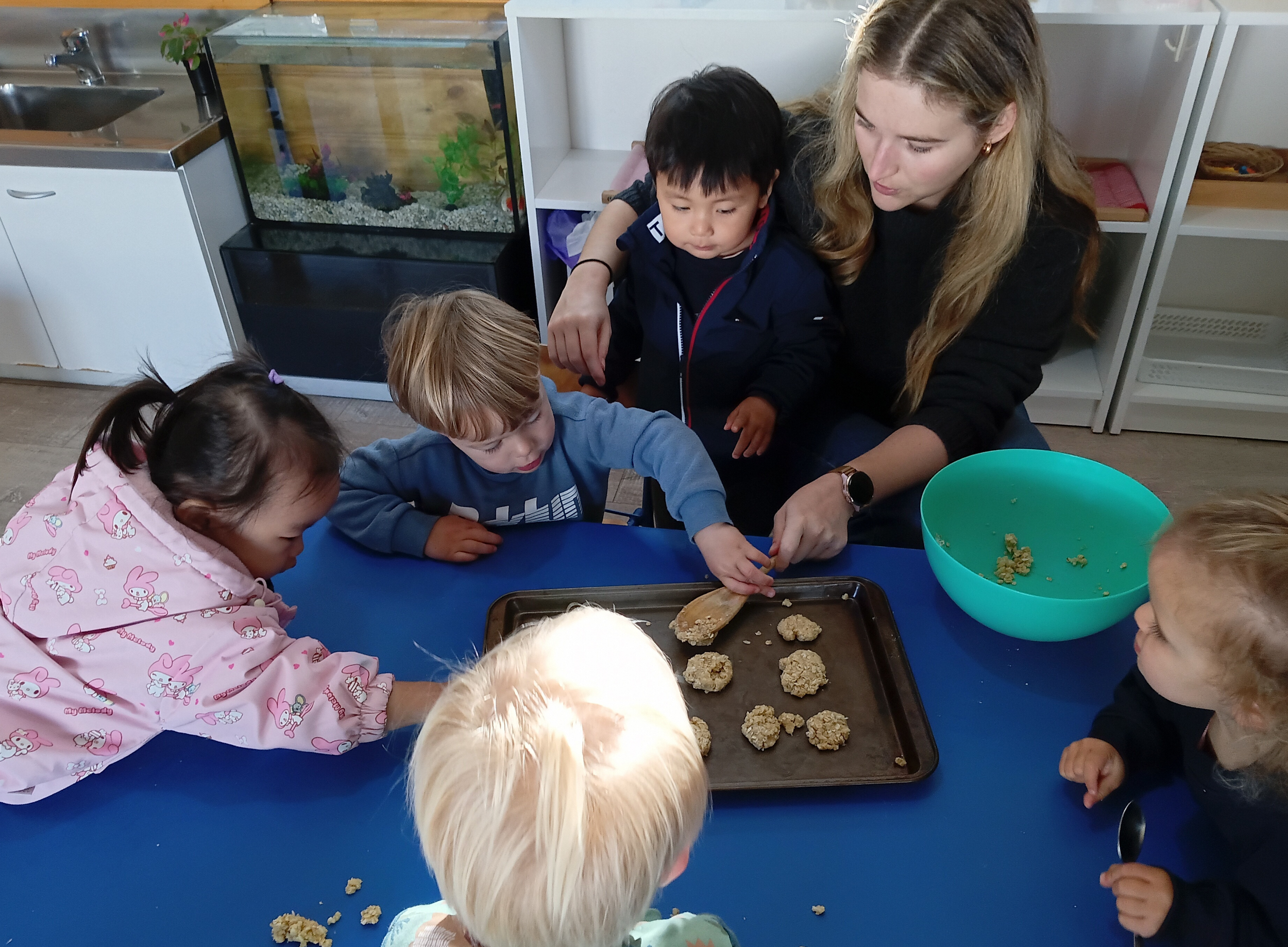
Choosing the right childcare in Auckland is an important step for both parents and children. A positive early learning environment helps children feel safe, supported, and confident while giving parents peace of mind.
Whether you're considering a daycare, preschool, or Montessori programme, taking the time to compare your options can help you find the best fit for your child and family.
This guide shares practical tips to help make the decision a little easier.
Why the Right Childcare Matters
The early years play a significant role in a child’s development. During this time, children build confidence, learn to communicate, develop friendships, and gain independence.
A quality childcare centre provides:
A safe and caring environment
Opportunities to learn through play
Positive social interactions
Supportive relationships with teachers
Routines that help prepare children for school
The goal is to find a place where your child feels comfortable, happy, and encouraged to learn.
Types of Childcare Available in Auckland
There are several early childhood education options available to Auckland families.
| Childcare Type | Best For | Key Benefits |
|---|---|---|
| Daycare Centre | Working families | Full-day care and structured routines |
| Montessori Preschool | Independent learners | Hands-on and child-led learning |
| Home-Based Care | Smaller group settings | More personalised care |
| Kindergarten | School preparation | Play-based learning for older preschoolers |
Every family has different priorities when choosing childcare. Visiting a few centres, meeting the educators, and observing the environment can help you decide which option feels right for your child.
What to Look for in a Childcare Centre
Caring and Qualified Teachers
Teachers play a huge role in your child’s daily experience. Look for educators who are warm, patient, and experienced in early childhood education.
During your visit, notice how teachers interact with children. Do they speak respectfully? Are they engaged and attentive? Positive interactions are often a good sign of a supportive learning environment.
Safe and Clean Environment
A childcare centre should feel welcoming, organised, and secure.
Things to look for include:
Clean learning spaces
Safe outdoor play areas
Secure entry and exit systems
Age-appropriate toys and equipment
Calm classroom environments
A well-maintained centre helps children feel comfortable and confident exploring their surroundings.
Open Communication with Parents
Open communication between families and educators is an important part of a positive childcare experience.
Many parents value centres that provide:
Daily updates
Photos or learning stories
Regular progress discussions
Easy access to teachers when questions arise
Strong communication helps parents stay connected to their child's learning and development.
Questions to Ask During a Childcare Visit
Visiting a centre is one of the best ways to decide if it feels right for your child.
About the Daily Routine
What does a typical day look like?
How is learning planned?
How much outdoor play is included?
About Settling In
How do you help children adjust to childcare?
Can parents stay during the first visits?
How long does the settling process usually take?
About Staffing
What qualifications do teachers hold?
What is the teacher-to-child ratio?
How long have staff members worked at the centre?
These questions can give you a clearer understanding of how the centre operates and whether it aligns with your family's needs.
Understanding Montessori Preschool Education
Many Auckland families consider a Montessori preschool because of its focus on independence and hands-on learning.
In a Montessori environment, children are encouraged to:
Learn at their own pace
Develop practical life skills
Build concentration and confidence
Explore through hands-on activities
Make choices independently
This approach helps children develop responsibility, curiosity, and a love of learning from an early age.
Many parents appreciate that Montessori programmes support academic, social, and emotional development in a balanced way.
Choosing Childcare Near Home or Work
Location can play an important role when choosing a childcare centre, especially for busy families managing daily drop-offs and pick-ups.
A centre that fits comfortably into your routine can make the day easier for both parents and children.
Things to consider include:
Distance from home or work
Traffic during peak times
Parking availability
Centre operating hours
While convenience is important, it should be balanced with the quality of care and learning opportunities provided.
Childcare in Kohimarama and Orakei
Families exploring childcare options in Kohimarama and Orakei often look for centres that offer a welcoming environment, experienced educators, and opportunities for children to learn and grow with confidence.
When comparing local centres, consider:
Stable teaching teams
Positive parent reviews
Calm and welcoming classrooms
Outdoor play opportunities
Programmes that encourage independence
A nurturing environment can help children build strong relationships and feel more secure as they settle into childcare.
Signs Your Child Is Happy in Childcare
It is normal for children to take some time to adjust when starting childcare. However, several positive signs indicate they are settling well.
These may include:
Willingness to attend each day
Talking about teachers and friends
Increased independence at home
Excitement about activities
Positive mood at pick-up time
Every child adapts differently, but supportive teachers and consistent routines can make the transition smoother.
Red Flags Parents Should Notice
While visiting childcare centres, it is important to trust your instincts.
Some potential warning signs include:
High staff turnover
Poor communication
Unclean facilities
Limited interaction between teachers and children
Lack of outdoor play opportunities
Disorganised learning spaces
A quality childcare centre should feel welcoming, professional, and well organised.
Tips for Helping Your Child Settle Into Childcare
Starting childcare is a big transition for both children and parents.
You can help your child feel more comfortable by:
Visiting the centre before the first day
Talking positively about childcare
Creating a consistent goodbye routine
Allowing time for gradual adjustment
Bringing a comfort item if permitted
Most children settle successfully when given time, patience, and support.
Final Thoughts
Choosing the right childcare centre is about finding a place where your child feels safe, supported, and excited to learn.
By visiting centres, asking thoughtful questions, and considering your child’s individual needs, you can make a confident and informed decision.
For families looking for a nurturing Montessori preschool in Auckland’s eastern suburbs, Orakei Montessori Preschool offers a supportive early learning environment focused on independence, curiosity, and school readiness.