
What Does School Readiness Really Mean?
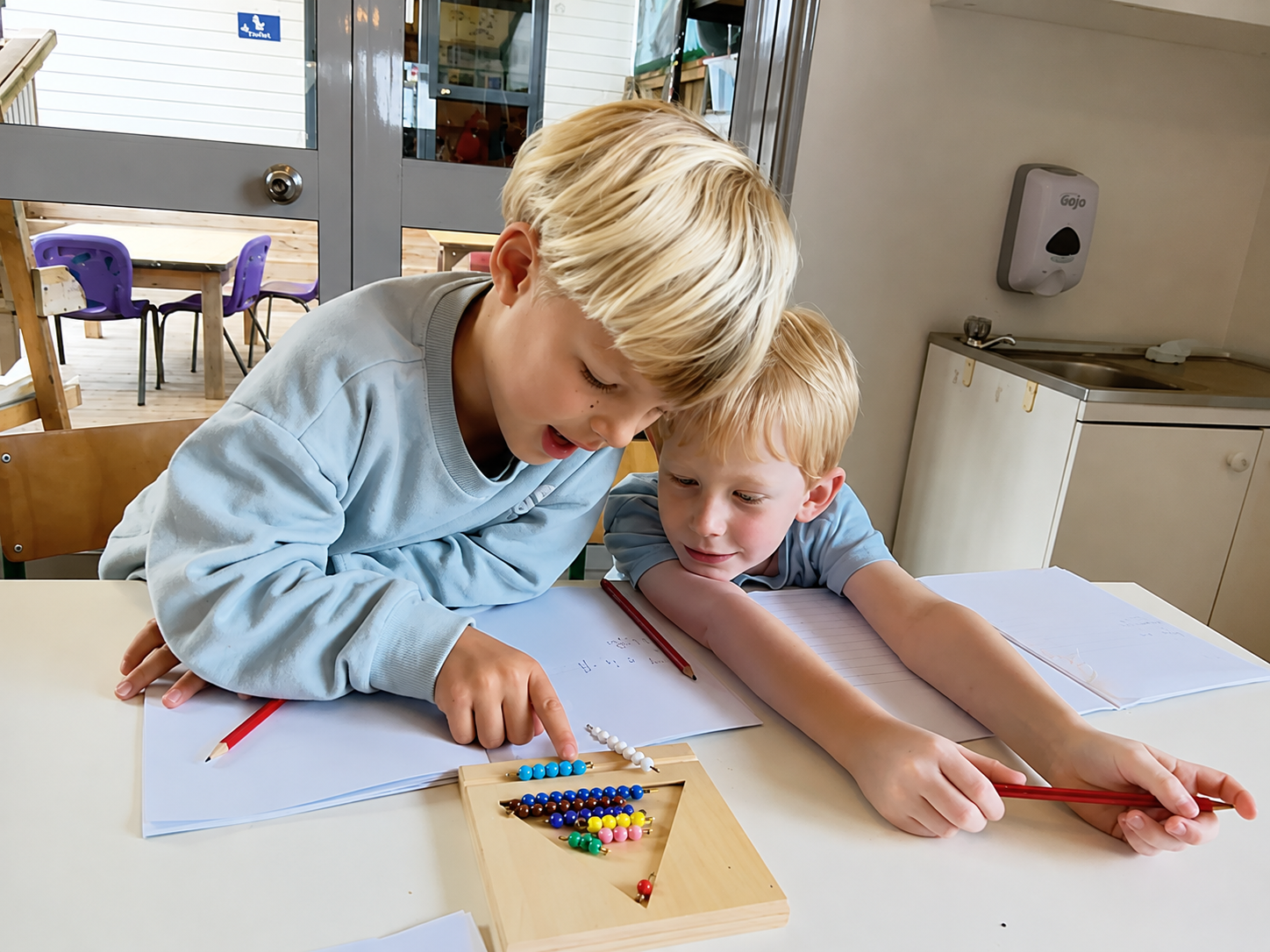
When parents search for a preschool program in Auckland, the first things that often come to mind are letters, numbers, and early reading skills. But school readiness is much broader than academics. It includes how a child manages their emotions, interacts with others, follows instructions, and copes with a full day away from home. Choosing the right preschool program in Auckland can play a significant role in building these foundations well before a child steps into their first classroom.
This article looks at what school readiness really means, the skills that matter most, and how a quality preschool experience helps children arrive at school confident and capable, not just academically, but as whole, well rounded individuals.
Beyond Reading and Writing: What School Readiness Actually Involves
Academic skills are useful, but they are only one small part of the picture. Teachers consistently report that children struggle in the classroom not because they cannot recognise letters, but because they find it hard to sit still, share, wait their turn, or manage frustration. Real school readiness is made up of several interconnected areas of development.
Emotional Readiness
Starting school is a big transition. Children need to be able to separate from parents without prolonged distress, cope with disappointment, and recognise and name their feelings. Emotional regulation does not appear overnight. It develops through repeated, guided experiences where a child is supported to work through frustration rather than have it removed for them.
Social Skills
School is a social environment long before it is an academic one. Children need to know how to greet others, join a group activity, resolve small disagreements, and understand that other people have different needs and perspectives. These skills are built through daily interaction with peers in a setting that encourages cooperation rather than competition.
Independence and Self Care
A school ready child can manage their own belongings, use the toilet independently, put on their own shoes, and follow a short sequence of instructions without constant adult help. These small, practical abilities matter enormously in a classroom where one teacher is responsible for many children.
Concentration and Self Direction
Sitting through a lesson, following multi step instructions, and staying engaged with a task for a reasonable period all rely on a child's ability to concentrate and direct their own attention. This is often referred to as executive function, and it is one of the strongest predictors of how well a child settles into formal schooling.
The Building Blocks of School Readiness
The table below breaks down the core areas of school readiness and gives a practical example of what each looks like in everyday life.
| Area of Readiness | What It Looks Like | Why It Matters at School |
|---|---|---|
| Emotional regulation | Calming down after a setback without adult intervention | Helps children cope with new routines and disappointment |
| Social skills | Taking turns, sharing materials, joining group play | Supports cooperation with classmates and teachers |
| Independence | Dressing, toileting, and tidying up unaided | Reduces reliance on constant adult support |
| Communication | Expressing needs clearly and listening to others | Enables children to ask for help and follow instructions |
| Concentration | Staying engaged with an activity for a sustained period | Builds the stamina needed for structured lessons |
| Fine and gross motor skills | Holding a pencil correctly, moving confidently | Supports writing, drawing, and physical activity |
Reviewing this table alongside your child's everyday behaviour at home can give you a realistic sense of where they are thriving and where they might benefit from extra support before starting school.
How a Quality Preschool Program Supports School Readiness
Not every early learning setting approaches school readiness the same way. The environment and structure a child spends their days in has a direct impact on the habits and skills they carry into school.
A Structured, Guided Learning Environment
A well designed preschool program provides children with the freedom to choose activities that interest them, while a trained teacher guides those choices and gently extends learning. This is different from unstructured free play, where children are largely left to their own devices without consistent guidance. In a structured, guided setting, children learn to make decisions within clear boundaries, complete an activity from start to finish, and return materials to their place before moving on. These habits translate directly into classroom behaviour later on.
Practical Life Skills
Everyday tasks such as pouring water, buttoning a jacket, or preparing a simple snack are not just chores. They build fine motor control, concentration, and a genuine sense of accomplishment. Children who regularly practise these tasks tend to arrive at school more confident in managing their own needs.
Mixed Age Interaction
Many early learning environments group children across a wider age range rather than by a single year group. Younger children learn by observing older peers, while older children reinforce their own understanding by helping others. This kind of social learning builds patience, leadership, and empathy in ways that same age only settings often cannot replicate.
Respect for Individual Pace
Children develop at different rates. A quality preschool program allows a child to spend longer on a skill they are still mastering, rather than moving the whole group along on a fixed timetable. This individualised approach reduces pressure and allows genuine mastery, which builds real confidence rather than surface level compliance.
Daycare, Montessori, and Kindergarten: Understanding the Difference
Parents researching preschool options in Auckland often come across three broad categories, and it helps to understand how they generally differ.
Traditional daycare centres tend to be more play based and less structured, with a strong focus on care, supervision, and general play throughout the day. Montessori settings offer a more structured, guided environment where children choose from a range of purposeful activities under the close guidance of a trained teacher, building independence, concentration, and practical life skills alongside academic foundations. Kindergartens, particularly in the New Zealand context, are typically less structured than a Montessori setting, with sessions often built around free choice and general play with lighter adult direction.
Understanding these differences can help parents choose an environment that matches how their child learns best and what kind of preparation they want for the transition to school. For a closer look at how these options compare, our blog covers this topic in more depth.
Signs Your Child Is Ready for School
While every child develops at their own pace, there are some general indicators that suggest a child is approaching school readiness.
They can separate from a parent without prolonged upset
They can follow two or three step instructions
They can use the toilet and manage basic dressing independently
They show interest in books, numbers, or writing tools, even informally
They can play cooperatively with other children for a period of time
They can sit and focus on an activity for ten to fifteen minutes
If your child is showing several of these signs, they are likely on track. If not, this is not cause for alarm. It simply highlights areas where a supportive preschool program can help before school begins.
Choosing the Right Preschool Program in Auckland
With so many early learning options available across Auckland, it is worth visiting a few settings in person before making a decision. Ask how the teachers support emotional development, how much independence children are given, and how the day is structured. A good early learning environment should be able to clearly explain how their approach builds the habits and skills your child will need, not just the letters and numbers they will learn.
Final Thoughts
School readiness is about far more than knowing the alphabet. It is the combination of emotional, social, and practical skills that allow a child to walk into their first classroom feeling capable and confident. Choosing a preschool program in Auckland that genuinely nurtures these areas, not just academic milestones, can make a meaningful difference to how a child experiences their first years of school.
Ōrākei Montessori Preschool provides exactly this kind of structured, guided environment, helping children build the independence, concentration, and social confidence that school readiness truly depends on. To learn more about our program or arrange a visit, contact us today.
Frequently Asked Questions
What age should my child start preparing for school readiness?
There is no single age at which readiness begins. It develops gradually through everyday experiences from toddlerhood onwards, which is why consistent early learning environments from an early age can be so valuable.
What should I look for in a preschool program in Auckland to support school readiness?
Look for an environment that balances structure with choice, encourages independence, and gives children consistent guidance from qualified teachers, rather than one that focuses on academics alone.
Is school readiness only about academic skills like reading and writing?
No. While early literacy and numeracy are helpful, school readiness relies far more heavily on emotional regulation, independence, social skills, and the ability to concentrate and follow instructions.
What is the difference between a Montessori preschool and a traditional daycare?
A Montessori preschool offers a structured, guided environment where children choose activities within clear boundaries and receive close teacher guidance. Traditional daycare tends to be more play based and less structured throughout the day.
How do I know if my child is ready to start school?
Look for signs such as manageable separation from parents, following simple instructions, basic independence with dressing and toileting, and the ability to focus on an activity for a reasonable period.
Does Ōrākei Montessori Preschool accept children under three years old?
Yes. Ōrākei Montessori Preschool welcomes children from 18 months, offering an early start to a structured, guided learning environment that supports long term school readiness.