
Is Montessori Right for Every Child?
Choosing the right early learning environment is one of the biggest decisions parents make in their child's first few years. Among the many options available, Montessori preschool often comes up in conversation, sometimes praised as the ideal approach, and other times questioned for being too different from what parents experienced growing up.
The truth is that Montessori is not a one size fits all answer, and no early learning approach is. This guide takes an honest, balanced look at what a Montessori preschool actually offers, who tends to benefit most, and the questions worth asking before you decide if it is the right fit for your child. If you would like to see this approach in practice, you can learn more about our preschool here.
What Is a Montessori Preschool, Really
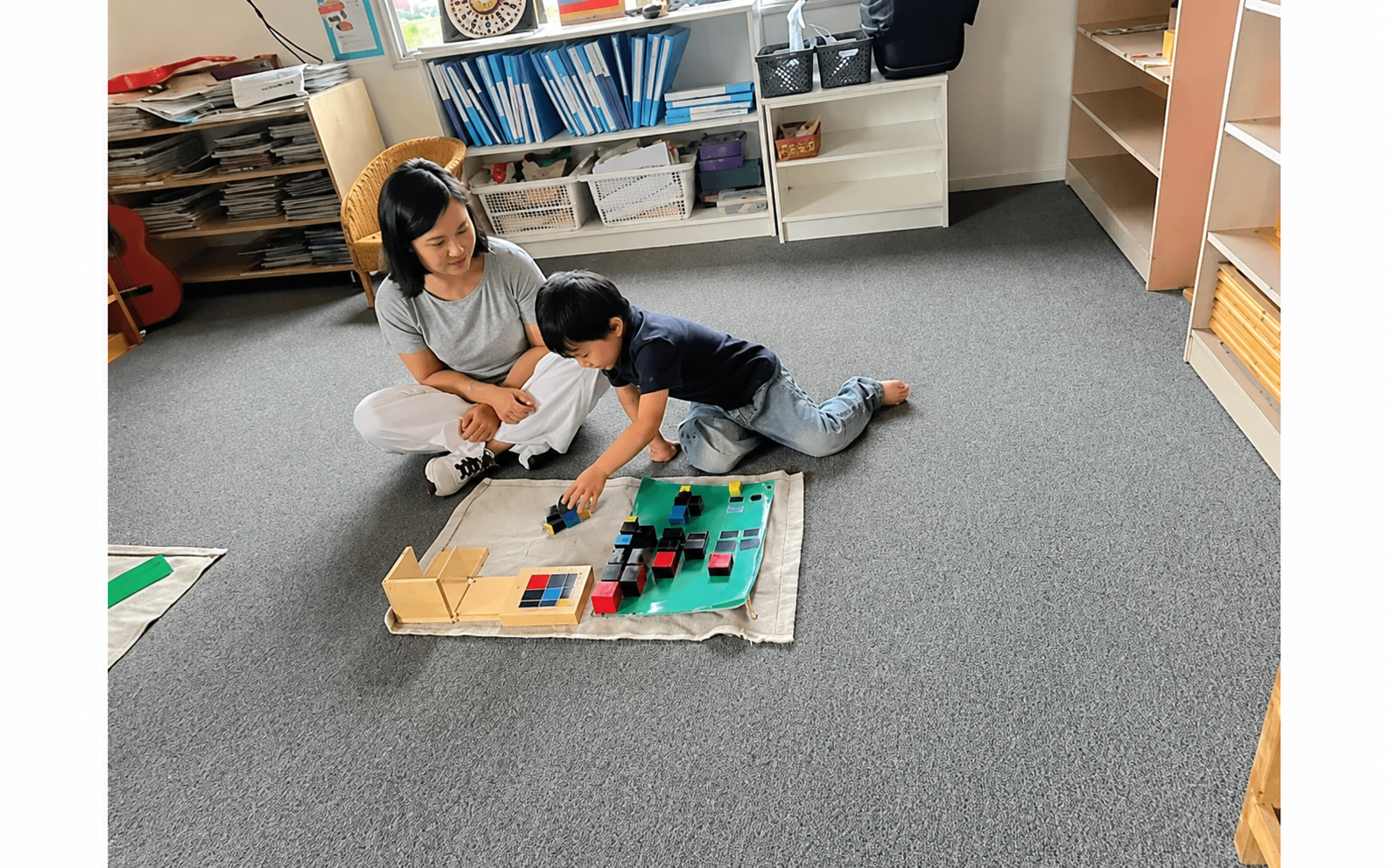
A Montessori preschool is often misunderstood as a place where children simply play freely with little guidance. In reality, it is a carefully prepared and structured environment where children choose activities from a set of purposeful materials, under the ongoing guidance of a trained teacher.
Children are not left to do whatever they like without direction. Instead, teachers observe each child closely, introduce new activities when the child is ready, and gently guide their choices within clear boundaries. This balance of freedom and structure is what defines the Montessori method, and it is quite different from unstructured free play.
The Role of the Teacher
In a genuine Montessori classroom, the teacher's role is active rather than passive. They prepare the environment, introduce materials one on one or in small groups, and step in when a child needs support or redirection. The child has choices, but those choices exist within a thoughtfully designed structure.
The Benefits of Montessori Preschool
Understanding the benefits of Montessori preschool can help parents see where this approach tends to shine.
Independence with guidance. Children learn to select and complete tasks on their own, while still receiving support from a teacher who is always nearby.
Hands-on, practical learning. Materials are designed to be touched, moved, and explored, which suits children who learn best by doing rather than listening.
Mixed age classrooms. Younger and older children learn side by side, which encourages patience, mentoring, and social confidence.
Focus on concentration. Activities are designed to hold a child's attention for extended periods, building the kind of focus that supports later academic work.
Respect for individual pace. Children are not pushed to keep up with a group timetable. They move to new skills when they are ready.
These benefits are real, but they are not automatic or universal. They depend on the child, the specific preschool, and how well the approach is implemented. You can see how these principles are put into practice by exploring our classrooms.
Who Tends to Benefit Most from Montessori
While every child is different, certain temperaments and learning styles often respond particularly well to a Montessori setting.
Curious and Self-Directed Children
Children who enjoy exploring on their own, asking questions, and working things out through trial and error often thrive in this environment. The freedom to choose activities within a structured setting gives them room to follow their curiosity while still learning within clear limits.
Children Who Learn Through Their Hands
Some children absorb information best by touching, building, and manipulating objects rather than sitting and listening. Montessori materials are specifically designed for this kind of hands-on discovery, which can make abstract concepts like numbers or letters easier to grasp.
Children Who Need a Calm, Ordered Space
Montessori classrooms are typically calm, quiet, and orderly, with materials arranged in a predictable way. Children who feel overwhelmed by noise, clutter, or constant transitions often settle more easily into this kind of environment.
Where Montessori May Not Be the Best Fit
An honest guide has to acknowledge that Montessori is not automatically the right choice for every family or every child.
Children who thrive on high energy group games, frequent adult led activities, or a more traditional classroom rhythm may find the independent nature of Montessori work less engaging at first. Some children also take time to adjust to the level of self-direction expected of them, particularly if they are used to constant adult instruction.
Family expectations matter too. Parents who are looking for a curriculum built around worksheets, tests, or a fixed daily timetable may find the Montessori approach unfamiliar. It works best when parents understand and support the philosophy behind it, rather than expecting it to look like a traditional classroom.
Montessori Compared to Other Early Learning Options
Parents are often choosing between three main types of early learning environments: daycare, Montessori, and kindergarten. Here is a straightforward comparison to help clarify the differences.
| Feature | Daycare | Montessori Preschool | Kindergarten |
|---|---|---|---|
| Learning style | Mostly play based | Guided, hands-on activities chosen by the child | Varies, generally less structured than Montessori |
| Teacher's role | Supervision and care | Active guide who introduces materials and observes progress | Support and supervision, with group led activities |
| Structure | Low to moderate | Structured environment with individual choice | Loosely structured, often more flexible routines |
| Age groups | Separate classrooms are common for different age groups, such as under 2s, toddlers, and preschoolers | Mixed-age classrooms are common | Generally mixed-age groups, often around 2–5 years together |
| Focus | General care and social play | Independence, concentration, and practical life skills | Social interaction and general readiness for school |
This comparison is a general guide rather than a strict rule, since individual centres can vary. The key difference to remember is that daycare tends to be more play focused, kindergarten is generally less structured than many parents assume, and Montessori sits in between as a guided but child led approach.
Questions Parents Should Ask Before Choosing
Rather than relying on labels alone, it helps to ask specific questions when visiting any preschool, Montessori or otherwise.
How do teachers decide when a child is ready for a new activity?
What does a typical day look like, and how much of it is child led versus teacher led?
How are children of different ages grouped together, and what is the reasoning behind it?
How does the preschool handle a child who is struggling to settle into the routine?
What training do the teachers have in the Montessori method specifically?
Making the Decision for Your Family
There is no universal answer to whether Montessori is right for a child. It depends on temperament, learning style, and what a family values in an early learning environment. Some children flourish with the independence and hands-on structure Montessori offers. Others may do just as well, or better, in a more traditional daycare or kindergarten setting.
The best approach is to look past labels and focus on what actually happens in the classroom day to day. A well run Montessori environment offers guided independence, hands-on learning, and a calm, structured setting where children can progress at their own pace. Whether that matches your child's needs is something only you, as their parent, can judge after seeing it firsthand.
Final Thoughts
Deciding on the right early learning environment takes time, observation, and honest reflection on what your child needs. Montessori preschool offers real benefits for many children, particularly those who enjoy guided independence and hands-on discovery, but it is not automatically the best fit for every family.
If you are considering this approach for your child, Ōrākei Montessori Preschool welcomes families to visit, ask questions, and see a genuine Montessori classroom in action before making a decision. Contact us to arrange a visit and find out whether our environment is the right match for your child.
Frequently Asked Questions
Is Montessori preschool suitable for every child?
Not every child responds to Montessori in the same way. Children who enjoy independent exploration and hands-on activities often do well, while children who prefer a lot of direct adult instruction may need more time to adjust.
What age can children start at a Montessori preschool?
Many Montessori preschools, including Ōrākei Montessori Preschool, accept children from as young as 18 months, allowing them to begin building independence and practical skills from an early age.
Is Montessori the same as free play?
No. Montessori is a structured, guided environment where children choose from a set of purposeful activities under the ongoing guidance of a trained teacher, rather than being left entirely to their own devices.
How is Montessori different from daycare?
Daycare is generally more play based and less structured, focusing on general care and social play. Montessori preschool offers more structure, with specific materials and guided independence built into daily activities.
How is Montessori different from kindergarten?
Kindergarten is often less structured than many parents expect, usually focusing on general readiness for school through group activities. Montessori preschool tends to offer more individual guidance and a more defined structure to each child's learning.
What are the main benefits of Montessori preschool?
The benefits of Montessori preschool typically include greater independence, hands-on learning, mixed age social interaction, and the ability for children to progress at their own pace within a structured setting.